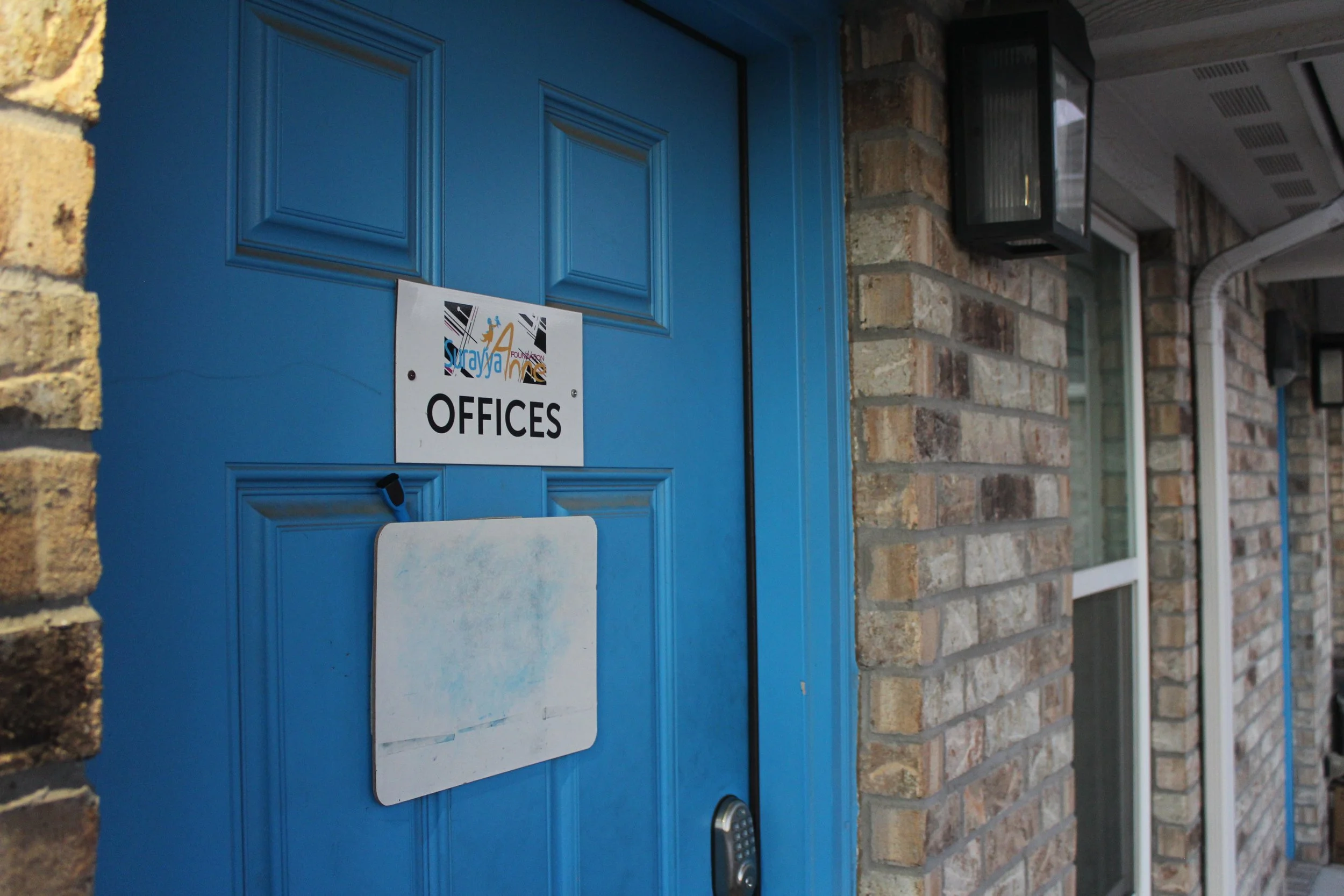
The offices of the Surayya Anne Foundation’s main building.
By: Mikail Khan
The Surayya Anne Foundation has spent the last 19 years serving the impoverished community of Tulsa and all those struggling to get back on their feet, providing the resources for their clients to build their own lives. The foundation has grown throughout the years to provide various forms of aid such as a transitional housing program, job training, financial literacy classes, basic utilities, transportation, and many more for all those in need regardless of their race, religion, identity, or struggle. The Surayya Anne Foundation has dedicated itself to serving families of all backgrounds to rebuild their lives, though they have found themselves struggling to find a way forward as an independent nonprofit in the current state of the world.
The foundation began with an idea of assisting the particular needs of Muslim women reintegrating into society after incarceration because a large majority of conversions in U.S. prisons are to Islam, according to the Federal Bureau of Prisons census. These needs—specific halal diets and resources to complete the five daily prayers—weren’t often provided by other rehabilitation programs in the Tulsa area. Before the foundation was properly formed, the women who thought up the initial idea noticed the struggles of many diverse women, including homelessness, domestic violence, and post-incarceration reintegration, to name a few. They were inspired by the works of Surayya Anne (Mother Surayya) in Istanbul, who created a network of support programs and shelters for women and children regardless of race, religion, or struggle.
“The founding members found that many Muslim women and people of other minority groups were not able to worship and perform their own cultural practices in what was then available to the Tulsa homeless community,” said Serene Khan, the current vice president of the Surayya Anne Foundation.
A large portion of programs at the time aimed at aiding the homeless population of Tulsa and providing resources had a Christian background and held additional requirements, according to Khan. Many of these groups made it mandatory for clients to participate in Sunday worship services or attend Christian-based group sessions. This posed a difficult choice for women escaping violence in their homes, as explained by Khan. They had to choose between their own safety and their religion.
“That made the choice to leave harder, so we tried to make that easier,” said Khan. “Surayya Anee does not make it compulsory for anyone to attend any kind of religious worship while they’re in our care.”
The foundation has provided extensive forms of support to its clients throughout the years. Before becoming the VP, Khan worked on the board, using her background in law to assist women with legal disputes and offer advice on their next steps. Khan has also worked as a translator for Afghan refugees and the foundation’s secretary, often communicating with the Oklahoma Secretary of State to organize federal grants.
“I was there to read through the legal documents for them,” said Khan on aiding clients going through legal disputes or divorces. “I just tried to make sure that it was in the best interest of the client.”
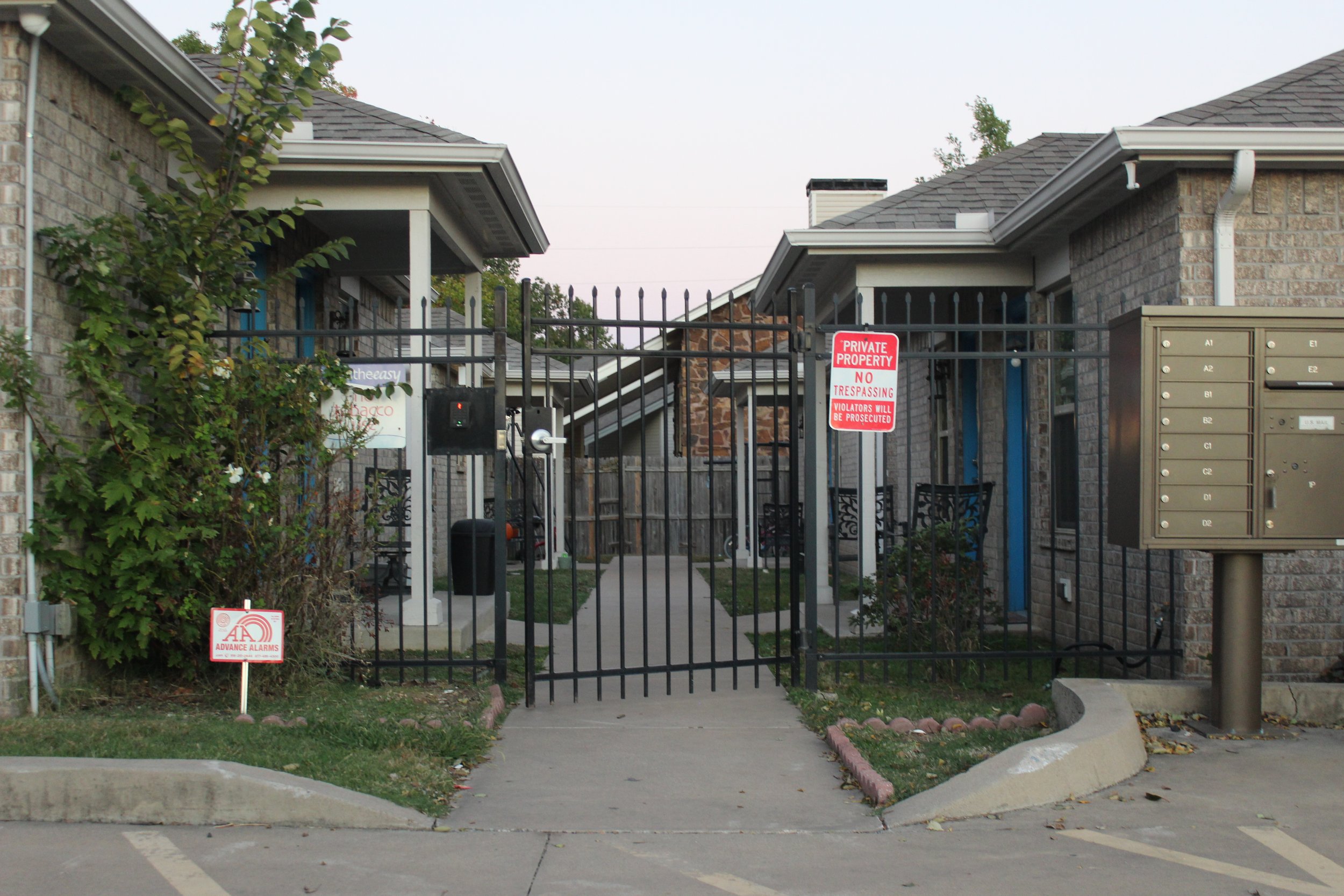
Foundation's eight transitional housing units
Along with legal assistance, the foundation provides clients with the building blocks to sustain their lives once they leave Surayya Anne’s care. They hold financial literacy classes for clients as well as provide them with job training and transportation to job interviews. They try to provide as many resources as possible to not only get their clients jobs, but to help them responsibly use their money and prepare them to live on their own.
“Sometimes the people are able to live in their own home and don’t have to go through that transition,” said Lobna Hewedi, the newest board member at Surayya Anne. “Some need to rent utilities, but some, if needed, have transitional housing.”
Hesitant to speak of things she was not entirely sure of, Hewedi is a recent addition to the Surayya Anne board. She did, however, have a strong confidence when speaking of her involvement with the foundation and the good she has seen come from it; a trait seen in all board members. Having only joined at the beginning of this year, Hewedi is a testament to the ever-growing nature of the Surayya Anne Foundation.
Surayya Anne has grown vastly throughout the years in their client base–helping refugees from around the world adjust to life in Tulsa–as well as the aid they’re able to provide. The foundation opened its first shelter apartment in 2009 and has since then grown to offer eight apartments with a total of 12 bedrooms, housing up to 24 clients at a time. Their growth was primarily due to support from the Tulsa community as well as federal grants.
“In my first year, I got a quarter of a million dollars for the organization,” said Khan about her time as the major grant writer for Surayya Anne. “But since then, since COVID and all that stuff, even federal grants are drying up.”
The current U.S. administration has cut or frozen billions of dollars in federal grants across all states, according to PBS. This stoppage of grants has been a detrimental blow to many nonprofits, including Surayya Anne. The foundation also struggles to be seen as a priority to many Tulsa community members.
“With the war, the international situation getting worse, of course, Gaza, people are sending their money abroad,” said Khan. “People have family members that they need to support in other countries.”
Tulsan money is going elsewhere and leaving nonprofits like Surayya Anne out to dry. Nonprofits are suffering, according to Khan. Resources for those in need have continued to decrease, with government funding for the homeless and the Supplemental Nutrition Assistance Program (SNAP)–providing people in need with monthly credit for food–being cut, as well as access to free meal programs
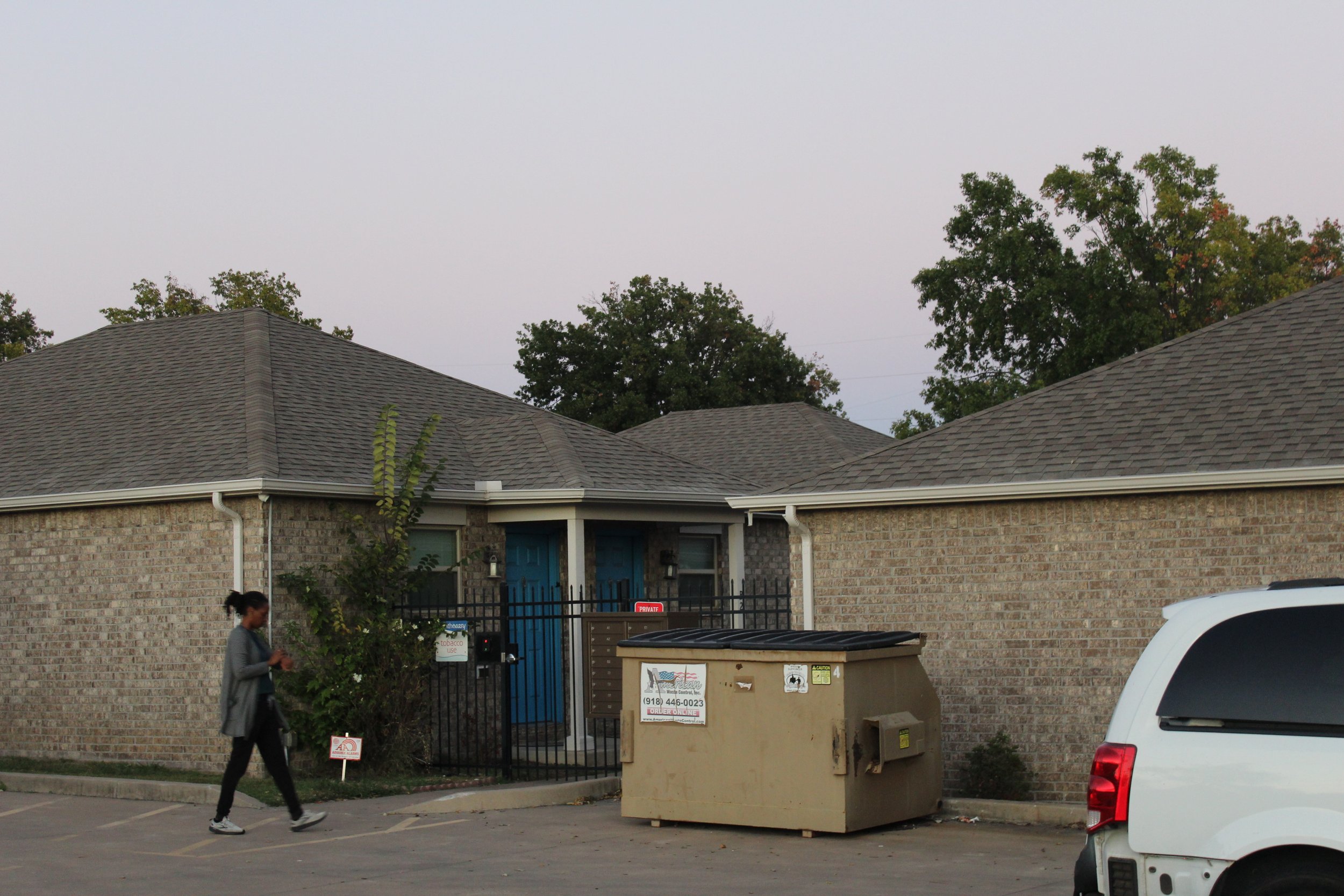
Board member of Surayya Anne Foundation checking on housing units.
“Now, because federal grants and funds are not coming in, and like I said, our donor base has dwindled because we depend a lot on immigrant families who have families back home who they need to support, we have to look at more private funding,” said Khan on the future of Surayya Anne’s income.
There are many reasons a private corporation may decide to withhold financial aid from an organization. Maybe they already donate to other nonprofits, or maybe Surayya Anne’s donation request wasn’t adequate for them. Khan, however, names the corporate partnerships between Oklahoma and Israeli companies through the Oklahoma Israel Exchange, as well as Israel’s continuous spread of Islamophobia, as a large possibility.
“They write it all off. Especially here in Tulsa, a lot of the private corporations here have branches in and support Israel,” said Khan. “They just hear the word Surayya, and although we’re not religiously affiliated, they still see the name and board members with hijabs and assume this is an organization they don’t want to support.”
The Surayya Anne Foundation is struggling to compete with their larger organizations and international causes. They are currently in the organizing stages of figuring out how to connect with a larger audience and find a place in the community’s list of priorities. Larger-scale projects may have the priority of the people, but the centralized efforts of Surayya Anne prioritize and benefit the Tulsa community.