Are We Really All That Different From a Kindergartener?
By: Andrew Scruggs
As the year concludes, JHS students are frantically finishing up their school work, studying for Finals and AP tests, and preparing to head to college. Turn back the clock about 13 years, and the most pressing thing on these same students' minds was what they would be doing at recess- life was much simpler back then, and many high schoolers often wish they could go back and experience it all over again.
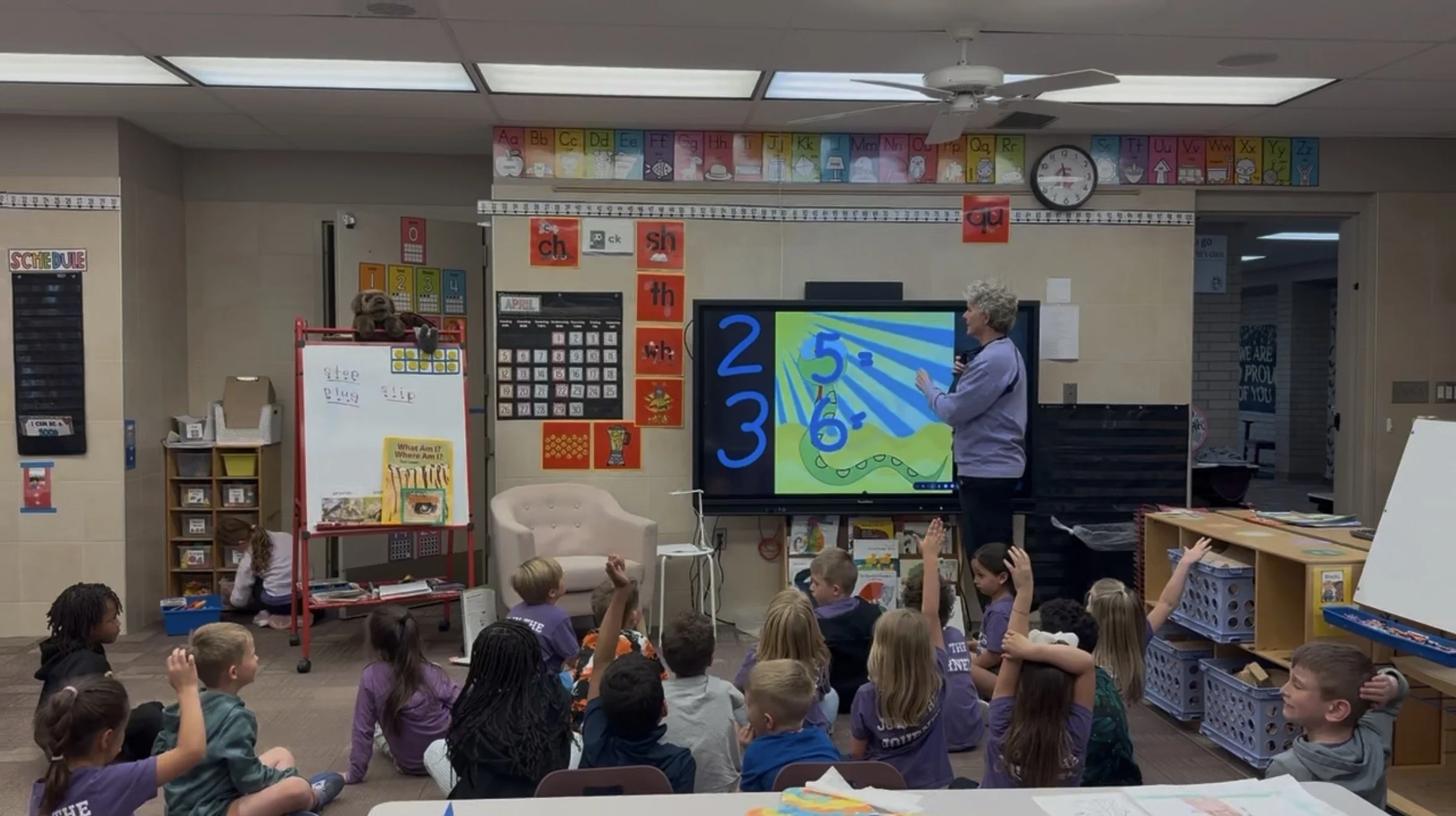
This past week, I had the privilege to visit Jenks Southeast Elementary and observe Mrs. Conwell’s classroom to see what a group of kindergarten students’ day looks like, and see how their lives are different, yet very similar to the lives of us Jenks high schoolers.
When I arrived, the classroom was in the middle of recess. Due to the weather, the kids had to get their energy out inside the classroom rather than on the playground, and by watching Mrs. Davis (Mrs. Conwell’s assistant teacher), I got to see firsthand how much work goes into keeping watch over twenty kindergarteners when they can't go outside to burn off steam.
You would think that an inside recess would be a bummer for the kids, but it was quite the opposite. Mrs. Davis had countless activities ready to go, from ones where the students would be running around the classroom, like four corners, to games where they are somehow able to completely hold still, like their iteration of the quiet game.
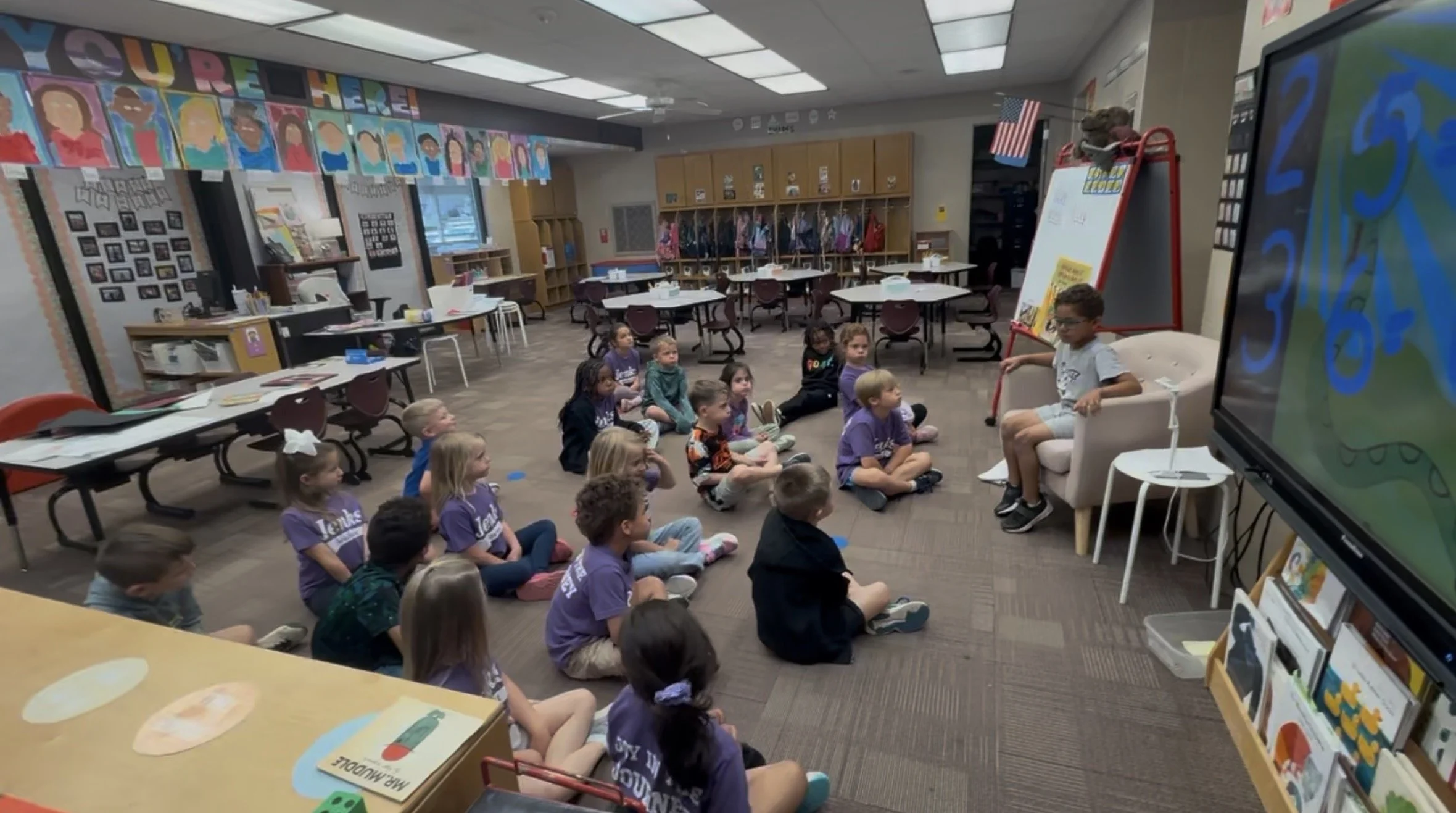
Mrs. Conwell’s class playing the quiet game. They had to choose the next person who would sit in the chair and be the “leader”, and would go on to choose the next person, and this would repeat for the rest of the game.
As the students settled into their activities, I had the chance to sit down with a few of them, starting off with Kingston, who was wearing a pair of Minecraft Crocs (on the wrong feet). After I helped him switch them to the right side, he gave me a glimpse into the joy of being five. For Kingston, his only care in the world is how awesome his "rainbow and thunder" drawing on the wall is, and how the most important news of his day was what was on the menu in the cafeteria.
While most kids, similar to Kingston, are focused on the simple joys of life, the next student I spoke with showed me that even in kindergarten, students are beginning to learn how to take on some level of responsibility. Katcher walked me through the importance of the classroom iPads and seemed very passionate about the etiquette surrounding them. He was genuinely shocked that some students don’t take it as seriously as he does, noting that “some people don’t even sign out of them when they’re done!”
Finally, I spoke with Macy Michelle DeMartino, who made sure I knew her full name immediately. While most high school seniors are currently consumed with talk of things like almost being done with their testing, or what roommate they will live with in college, Macy’s excitement for the future was much simpler. She was thrilled to tell me all about her family moving into a new house and how much she loved Pinkalicious.
When I asked her what her favorite thing to learn was, she didn’t have an answer for me. She did, however, share how "probably the worst thing to learn is math” in a very blunt manner. “I do not like math."
This moment of honesty was very refreshing to hear. The older you get, the harder it seems to admit what you aren’t good at, and be open with your struggles to those around you. As I moved on to talk with Mrs. Conwell, she shared with me why this honest mindset of her students is the exact reason why she loves teaching kids at this age.
"They are still so sweet, and they’re so fun," Mrs. Conwell said. "They want to learn, and they’re just so curious about everything. It’s just a fun age to be around before they get into the older grades where things get a lot more serious."
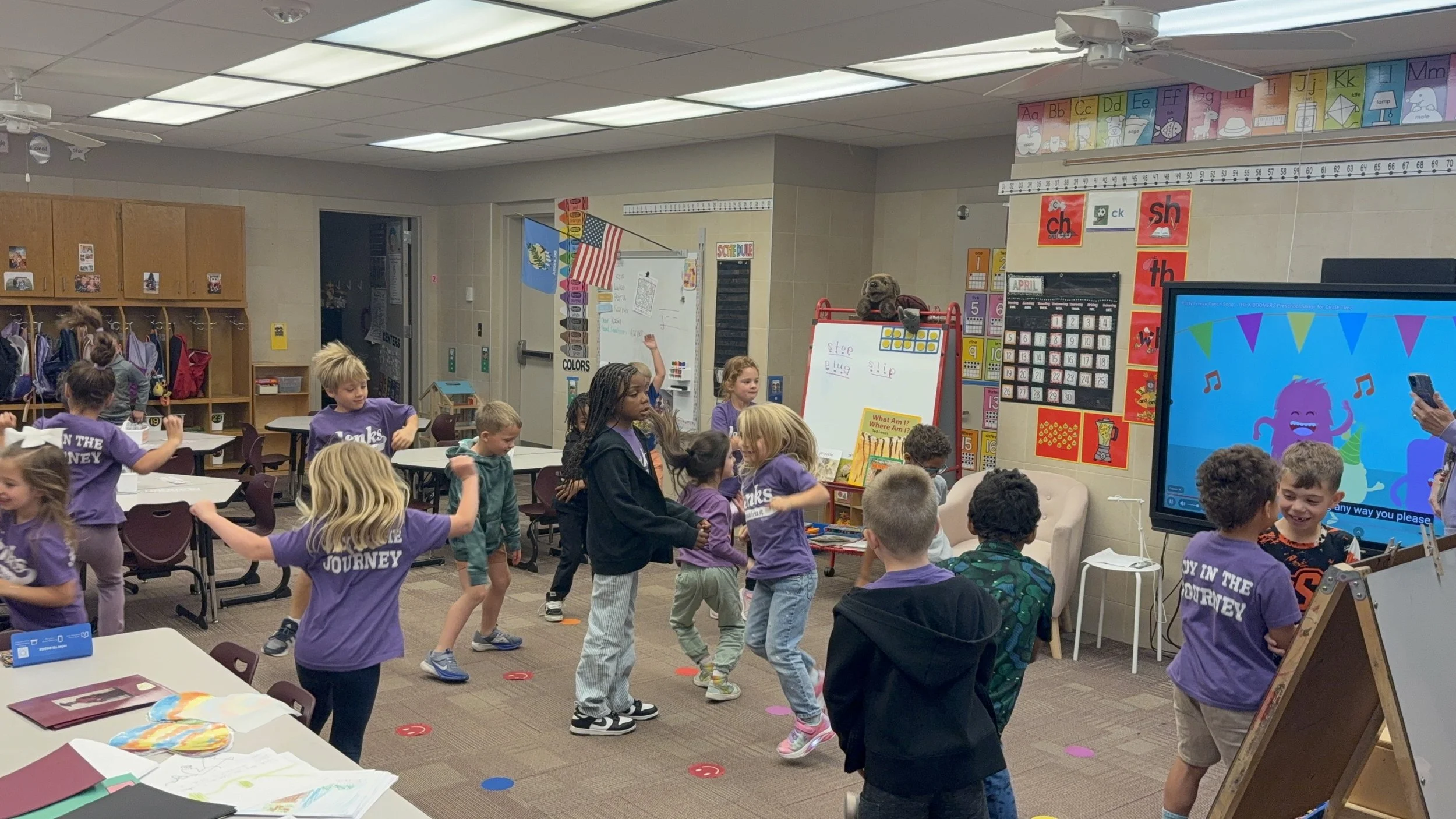
Mrs. Davis gave the students a dance break as one of the games for recess, pictured above.
Mrs. Conwell further explained how watching her students blossom throughout the year is another big part of what makes the year so special, and how it is a privilege to see how much growth her students go through.
“They come in, and they don't know any letters or any numbers,” she said. “And then they just blossom and are reading and doing math all at the end of the year.”
Mrs. Conwell’s observation of the growth of her students can also be seen in us graduating high schoolers. It’s a small-scale version of what the class of 2026 has been doing for the last thirteen years. For Mrs. Conwell’s class, they’ve learned the basics of how to live the rest of their lives, both in and out of the classroom, from things like addition and subtraction, all the way to how to be a good friend, and in our case, we’ve started to learn things like who we really are as a person, and find what drives us in life.
The main striking difference, however, isn't just how much we’ve grown- it’s where we are going next. For the kids in Mrs. Conwell's class, their next step is simply moving across the hall to the first grade. Their world stays familiar, shaped by pretty much the same routine that they’ve gotten used to throughout their school years so far.
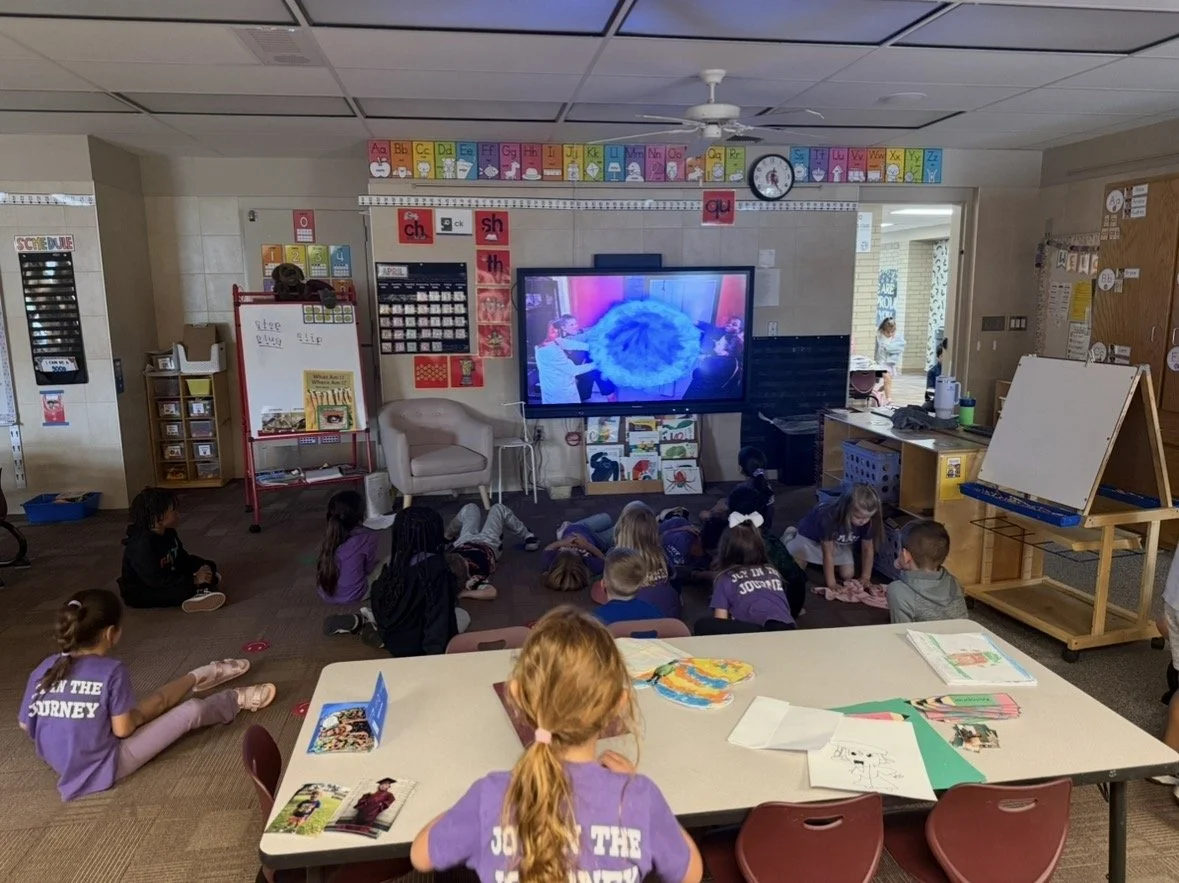
As the class winded down after recess, they had the option between watching Odd Squad, and taking a nap.
For the graduating seniors, our next step is much more than just a new room; it’s a new life. No matter what school we are heading to, or how far away, we are leaving our Jenks bubble behind and getting ready to enter a much bigger world. We are moving on from the simple life of an elementary schooler to bearing the real-world responsibilities of adulthood.
All in all, we may not be in the same position as the kids of Jenks Southeast, but we are still growing and blossoming into better people, just like the students of Mrs. Conwell’s class.