What we don't see: The Hidden Cost of Sports

Photo Credit: Jenks Trojan Athletics website.
By: Lily Miller
Many athletes you talk to have had some form of injury or had something happen that caused them to halt participating in their sport. We can sometimes see how it affects them physically, whether it’s a cast, a brace, KT tape, etc. But how does it impact them deeper than what we can just see?
Injuries or sicknesses are unfortunate and often inevitable for athletes. Whether it’s predisposed or happenstance, constant use and improper care do not help any injuries get better. The stigma of ‘if you sit out, you’re lazy’ is commonly believed by athletes all around, so they sometimes ignore their injuries in fear of being ridiculed, or they don’t want to stop until they absolutely have to. However, sometimes they just have to watch from the sidelines and cheer on their teammates. Injuries, past or present, affect the people who have them more than what just meets the eye.
“I had been having back pain for, I’d say, like a few months, leading up to the main event, if you’d call it,” said Lex McNeil, a junior at Jenks High School and a swimmer on the varsity swim team. “It was over the summer, and it was the Jenks Invitational, I think, one of the first swim meets we had for long course season.”
McNeil said that he felt weird leading into his first race of the meet. He said he felt a pop in his lower back from his dive and started to feel pain when he hit the water, but he told himself he wasn’t going to let it affect him. He said that it worked.
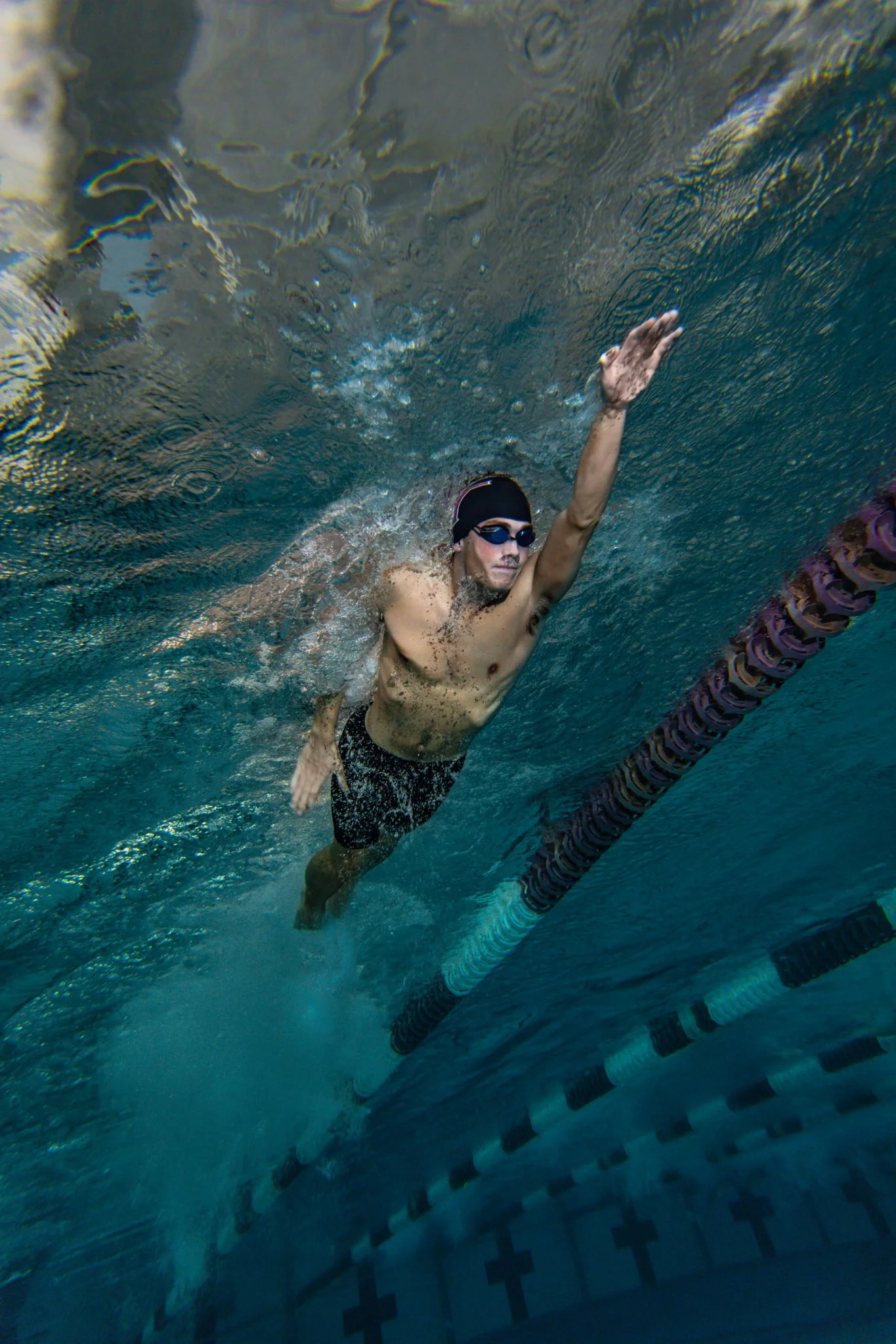
Photo Credit: Tulsa Sports Photography
One of McNeil’s media day photos, showing him swimming freestyle.
“I did not feel the pain until after I got out of the water, I think that’s partially because of adrenaline,” said McNeil. “I get out of the pool, and I’m like, okay, something is definitely wrong. I had 100 breaststroke next, and I have to swim it because I really like 100 breaststroke and it's one of my best events.”
Since it was the first meet of the season, he said that it didn’t matter too much, but he still wanted to do well during the race.
McNeil said that it was only when he was sitting there on the bleachers waiting for his race that the pain started to get worse. He described it as getting to a point where he couldn’t breathe, and every breath was shooting pains into his left leg, where one of his back fractures was.
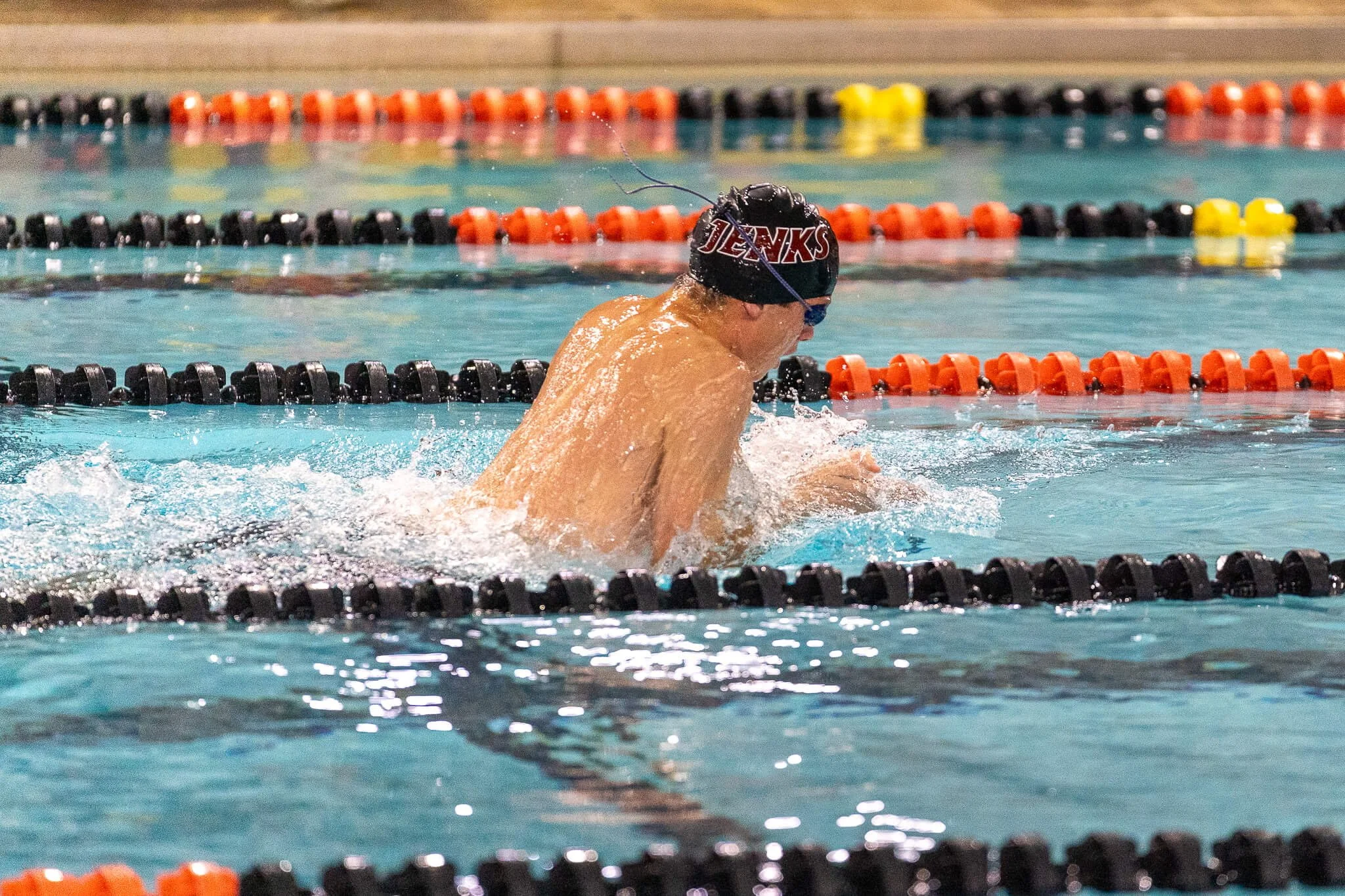
Photo Credit: Lex McNeil
McNeil swimming breaststroke at the scrimmage between Jenks and Booker T Washington.
“They’re called pars fractures, also known as stress fractures,” said McNeil. “They happened because I was not stretching and I was not taking care of myself in the ways I should have been.”
This all happened the summer before his eighth-grade year, causing him to be out of the water for the rest of the summer. Eighth grade is kind of when training ramps up in swimming to get Jenks swimmers ready for high school, because the team is very competitive.
He went through many months of physical therapy and ultimately got better and made the high school team with no problems in his eighth-grade year.
“I’ve always had, like, different surgeries, different health issues,” said Joceliz Seco Del Castillo, a sophomore at Jenks High School and an ex-Jenks volleyball player who plays club volleyball now. “Those were mostly related to my stomach and my heart. Over time, because of those surgeries, it influenced how my pancreas started working, my sugar, and how it's rotating. Since it's genetic, our family is always at high risk of diabetes.”
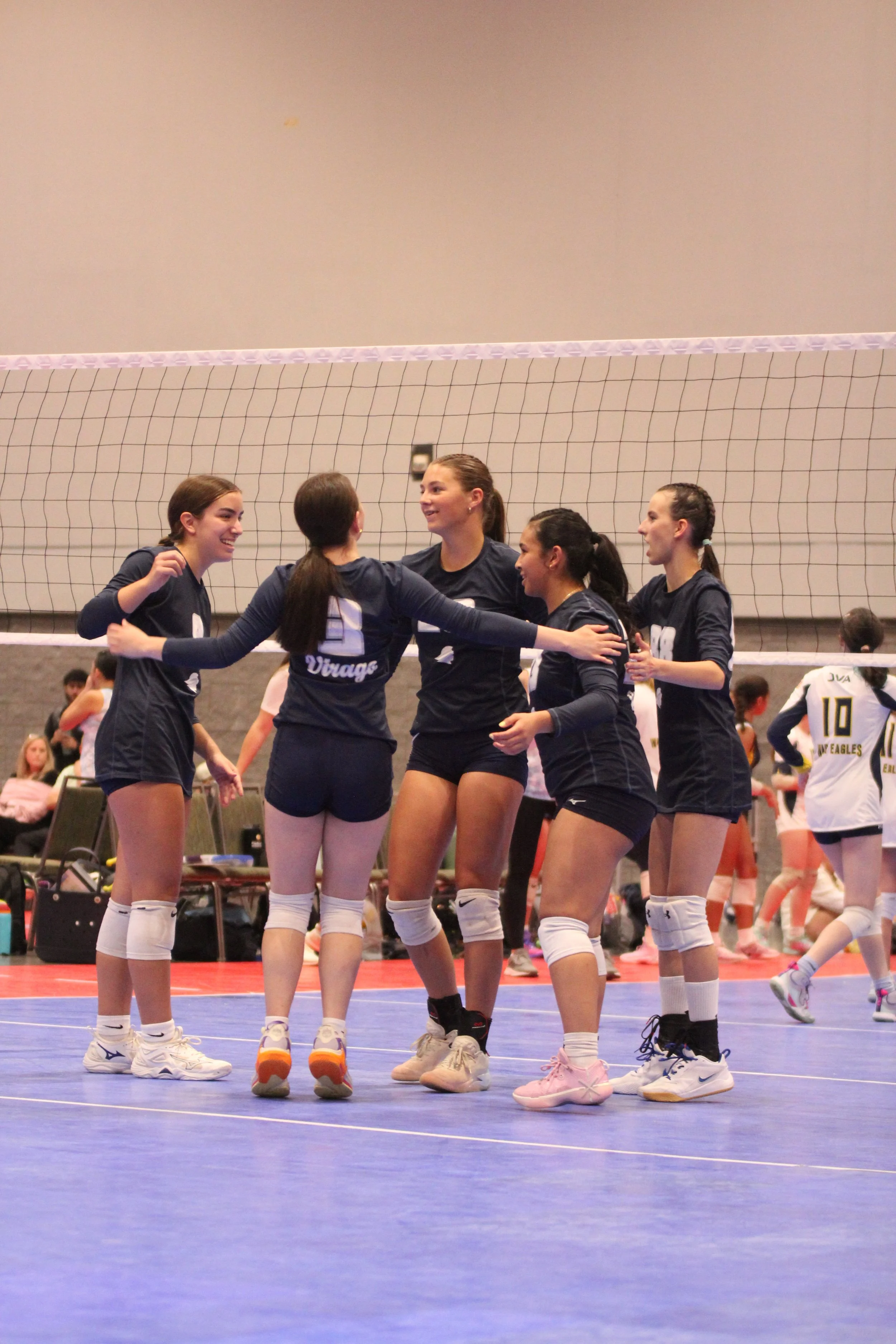
Photo Credit: Jocelíz Seco Del Castillo
Jocelíz Seco Del Castillo (#3) and her team.
Seco Del Castillo is hypoglycemic and at high risk for diabetes. She has to watch her sugar levels, wearing a Dexcom-like device on her arm. Wearing the sensor was very important because she was so involved with volleyball, and she had to make sure her sugar levels were where they needed to be.
She referred to herself as a “miracle baby.” She was born five months early and spent much of her early childhood in and out of the hospital; the doctors essentially said that she wouldn’t be able to do much if she survived.
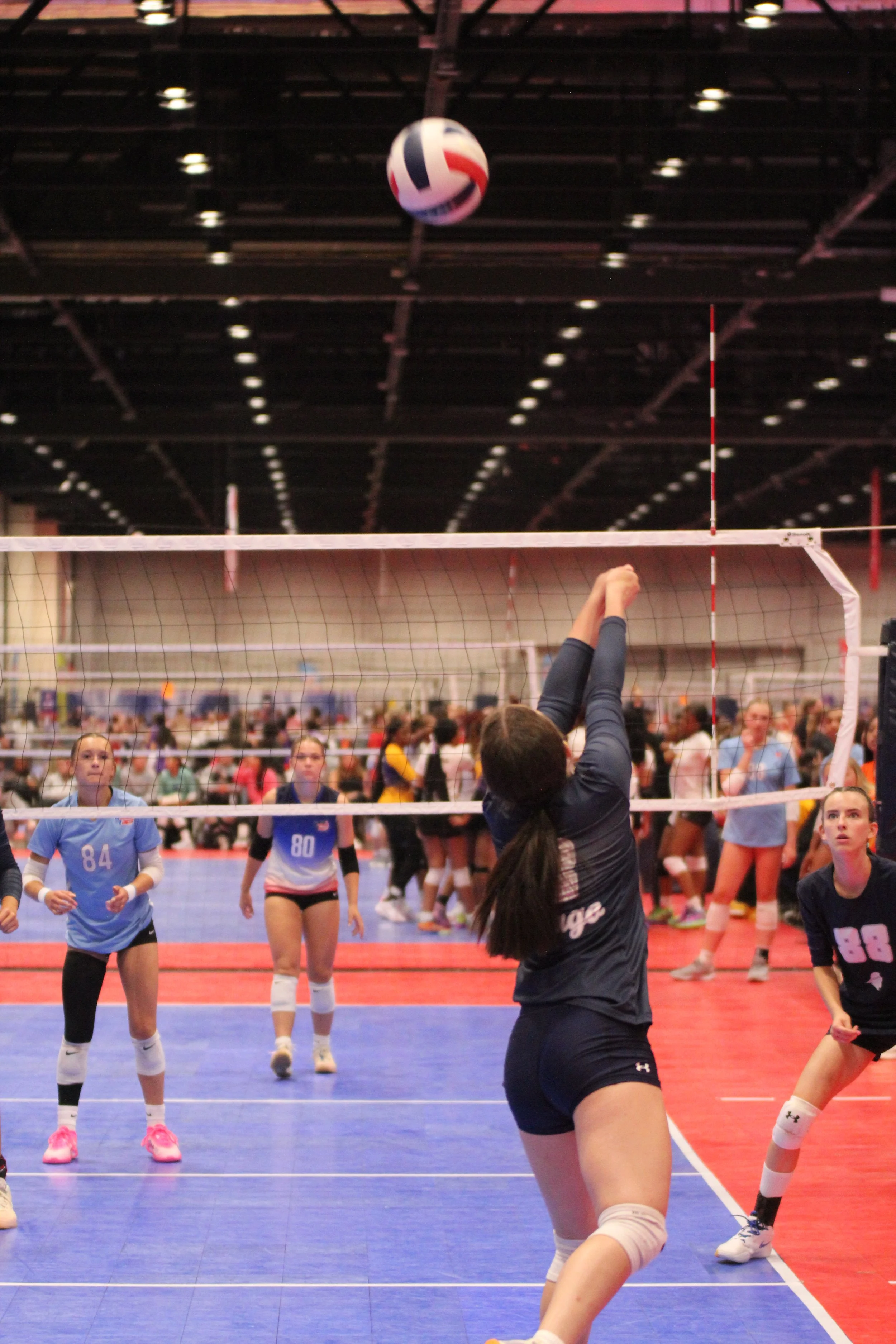
Photo Credit: Jocelíz Seco Del Castillo
Jocelíz Seco Del Castillo (#3) at one of her games
“I played for both [school ball and club ball] last year, but after the sugar thing, I had to kind of stop, and I took a break from school volleyball,” said Seco Del Castillo. “I also decided to focus more on my studies, but I am doing club volleyball starting this December.”
Seco Del Castillo plays the position of libero for her club team. Libero is the player who plays at the back and saves the ball from hitting the floor in bounds.
Seco Del Castillo said it was hard to quit school ball when she needed to because she loved it, but she knew it was ultimately the better choice for her health, and she said she's confident that she's going to come back to school ball stronger next year.
“My first concussion was caused by improper technique of a head spring,” said Brecken Calmus, a senior at Jenks High School and a member of the Varsity Pom team. “You kneel down and put your hands and head on the floor. You then extend your legs to bend and push off to flip over with a hip-over-head rotation. I—instead of placing my hands down, taking the weight off my head—transferred all my weight to my head, resulting in a concussion, as I was on a hardwood floor.”
Calmus also said that a day after she was cleared from her concussion, she was kicked in the head by a teammate by accident, which re-concussed her for more time.
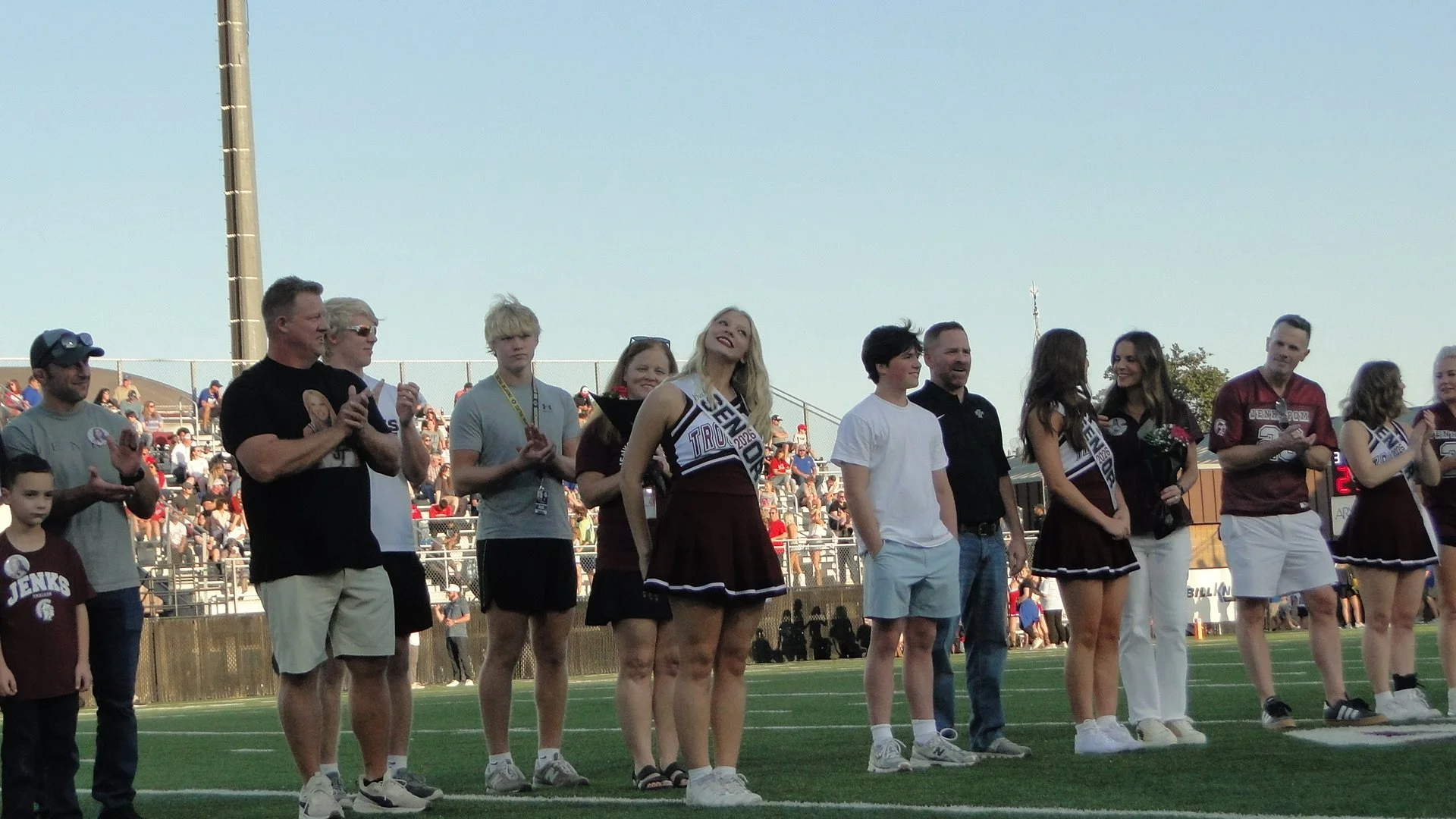
Photo Credit: Brecken Calmus
Brecken Calmus on the field at Pom senior night.
Concussions are a serious injury to have, due to the fact that they are an injury to the brain. Every time she fully healed from one, it added to the already high chances of her getting another one.
Calmus explained that she had issues with reaction time, comprehension of material in school, staying focused for long periods of time, sensitivity to fluorescent lighting or just bright lights, loud, continuous noise, and other regular concussion symptoms.
She said she still struggles with light and sound sensitivity.
“The only thing you can really do is rest, which is one of the worst things an athlete can hear,” said Calmus. “I took some time off my sport and tried to stay away from any activity that induced symptoms or discomfort . . . I also had to slowly return back, as my sport—Pom—has lots of head whipping and spinning, which can be aggravating.”
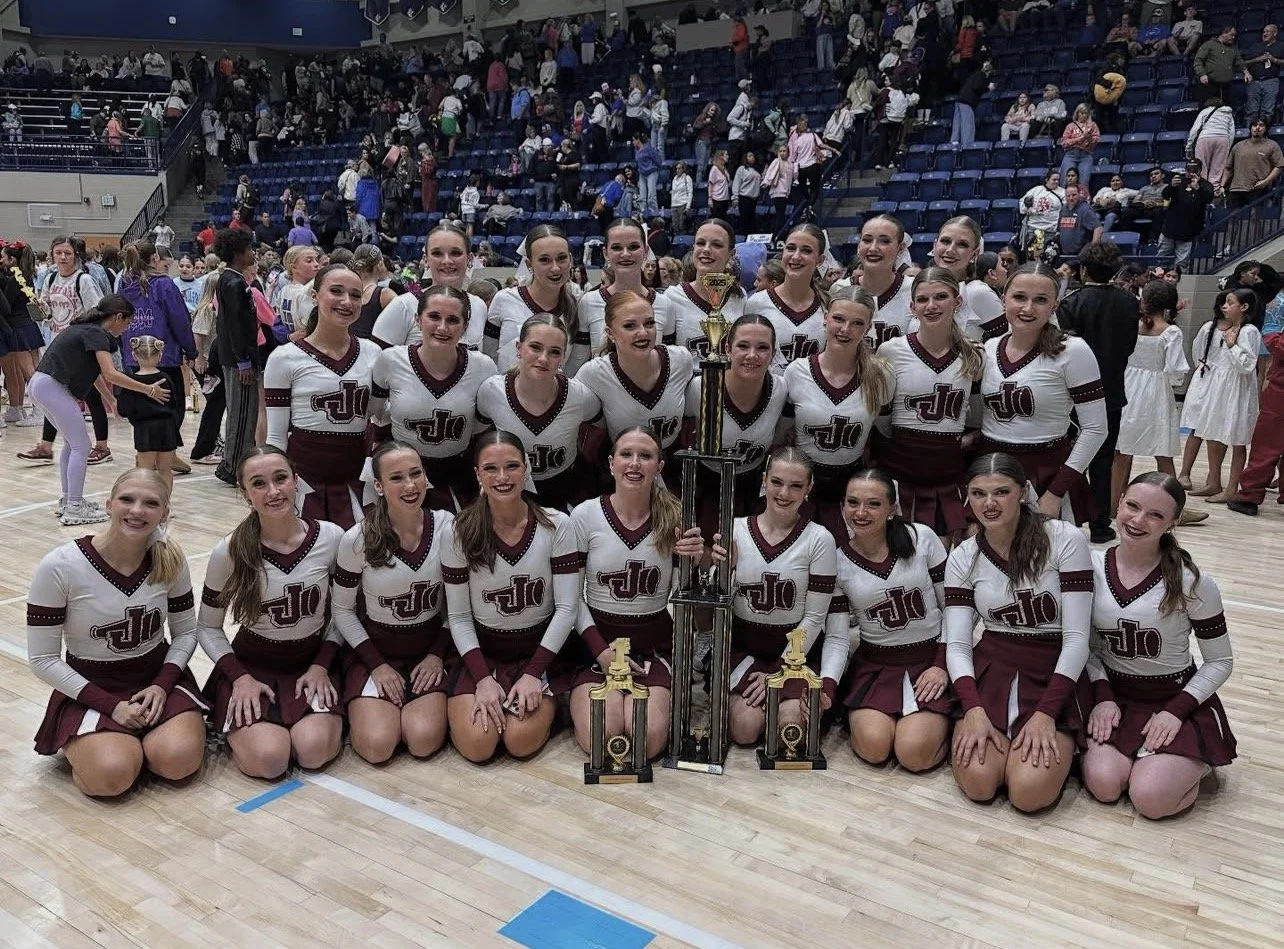
Photo Credit: Jenks Varsity Pom Instagram
Calmus (far left, on the floor) and the Jenks Varsity Pom team after winning the championship this year.
Calmus said that it was very frustrating to just sit and watch her teammates practice while she couldn’t. She said that her experience of it was that she's a very stubborn person, and she would try to continue to practice, even though her coach told her to stop multiple times. It was important for her to rest, due to the fact that her injury was so serious that it could cause permanent damage.
Getting injured or getting sick can be very hard on athletes. It affects more than just their performance in whatever sport they play; it can also affect their performance in school and their mental health.
A lot of athletes center their worth around how well they perform in their sport a little too much. This only enhances their wanting to avoid injuries or sicknesses, or they end up ignoring what they are told to do to get better, because it doesn’t match how everyone else is practicing.
Athletes seem to take getting sick or injured as losing parts of themselves because they can’t practice or they have to modify their practices. If we take the pressure off of athletes to perform at an almost collegiate level, when some people won’t hit that level or don’t want to hit that level, we take the pressure off their bodies so that they can properly rest and get better.